Airspace Security · 8 January 2026
Understanding the Silent Airport Drone Risks & Airspace Security
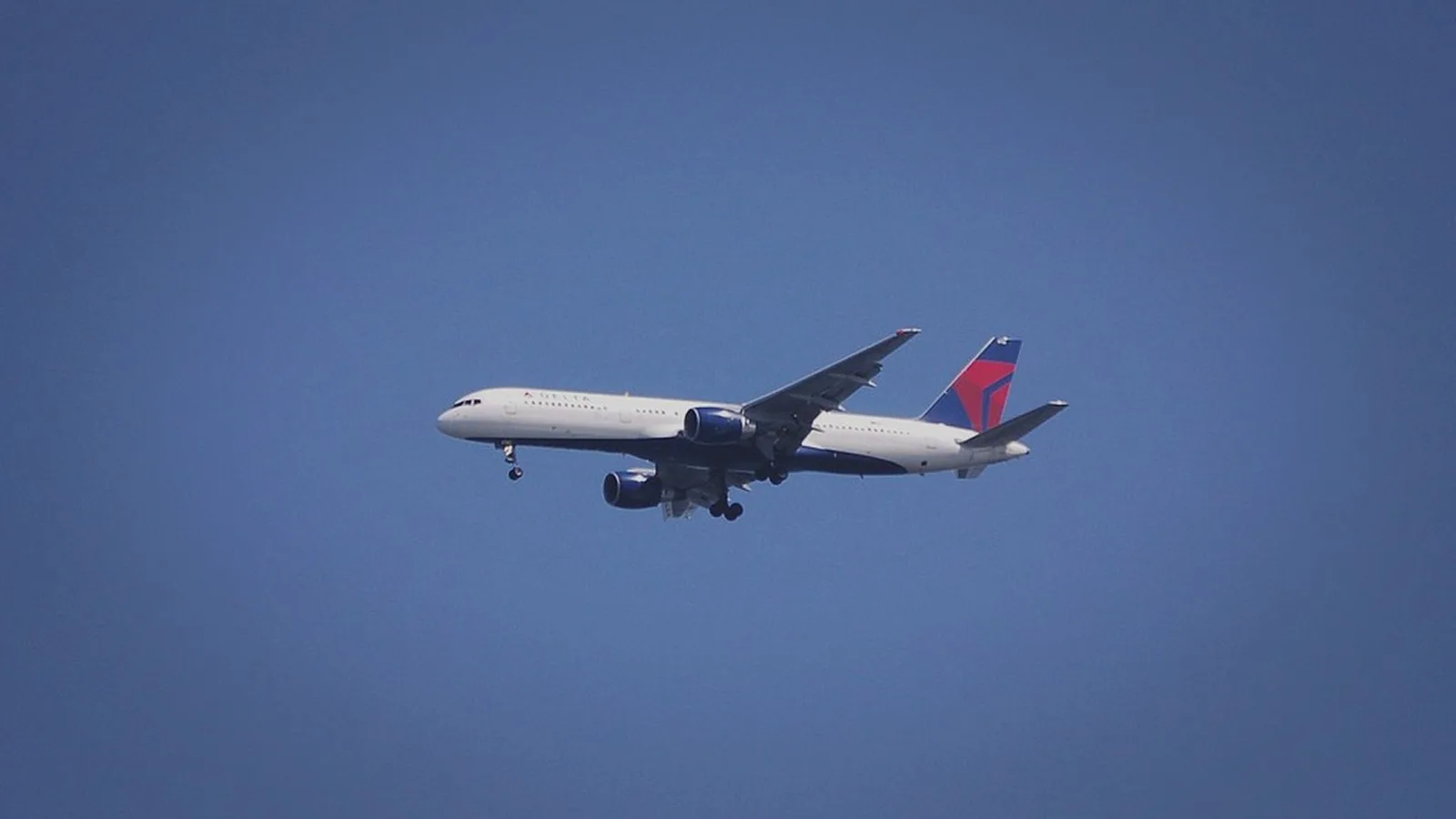
Bridging the visibility gap: how integrated detection prevents operational paralysis
Airports have long maintained some of the most secure and regulated environments in the world. Yet they now need the same level of visibility in the low-altitude layer that they have long maintained in controlled airspace. This missing 'visibility layer' is the foundation of the Aerial Grid mission.
A new category of risk is emerging quietly — one that traditional aviation systems were never designed to monitor: drones in low-altitude airspace. These threats are “silent” not because they are harmless, but because they often go undetected, unverified, or unidentified until they have already disrupted operations. As drone usage increases globally, airports now face a growing blind spot directly below controlled airspace — a layer where small, fast-moving UAVs can approach runways, terminals, and restricted zones with relative ease.
Why low-altitude airspace has become a vulnerable layer
Airports are optimised for tracking large aircraft at higher altitudes using powerful radar systems. However, small drones — made primarily of plastic and flying at low altitudes — often escape conventional surveillance. Their low radar cross-section, silent operation, and ability to manoeuvre through urban terrain make them particularly difficult to detect in time.
Compounding this challenge is the lack of universal Remote ID compliance, which means airports cannot always determine who is operating a drone, or whether the flight poses a genuine threat. The result is a silent, unmanaged layer of airspace immediately adjacent to some of the most sensitive aviation infrastructure in the world.
Incidents that revealed the scale of the problem
Gatwick Airport shutdown (2018)
Drone sightings forced a shutdown lasting nearly 36 hours. Over 140,000 passengers were affected, more than 1,000 flights were cancelled, and financial losses exceeded £50 million. Authorities could not locate the drone or its operator, exposing a major visibility gap.
Dubai International Airport (2016–2019)
Several runway closures were triggered by unauthorised drones. Each incident cost hundreds of thousands of dollars per minute in fuel, diversions, and crew resets.
The growing spectrum of silent drone risks
The key silent risks include:
Hobby flyers unintentionally breaching airport perimeters.
Non-cooperative drones without Remote ID visibility.
Commercial BVLOS flights expanding near airport boundaries.
Malicious reconnaissance, or drones hovering near critical operational zones.
Why airports need a trust layer for low-altitude airspace
Airports can no longer rely solely on traditional perimeter security and high-altitude radar. A new operational requirement has emerged: a transparent, compliant, and continuously monitored low-altitude environment. Airports do not operate in isolation — the low-altitude airspace surrounding an airport is part of a wider urban environment. Aerial Grid's SkyGrid ensures airport systems remain aligned with citywide and regional airspace trust infrastructure.
As U-space and Remote ID frameworks come into force across Europe, the UAE, India, and the United States, airports must verify the identity of drones entering controlled or adjacent airspace. Without a compliant identification layer, airports cannot meet emerging regulatory expectations.
How Aerial Grid strengthens airport airspace security
Aerial Grid provides an integrated suite of technologies built specifically for low-altitude airspace oversight, enabling airports to detect, identify, and respond before disruptions occur.
SkyRadar: facility-level detection and perimeter protection
SkyRadar gives airports precise, local monitoring of drones near runways, aprons, terminals, and critical zones. It delivers intrusion alerts, flight trails, and forensic logs, helping security teams react instantly and maintain operational continuity. By using advanced radar nodes, it ensures even non-cooperative drones — those without Remote ID — are identified in the immediate vicinity.
SkyGrid: airport-wide and city-wide airspace awareness
SkyGrid ensures that airport systems are fully integrated with the broader urban airspace. It provides Remote ID verification, compliance checks, and restricted-zone enforcement through a shared dashboard for ATC, airport security, and regulators. This transforms uncertainty into situational clarity, ensuring all stakeholders have a unified view of the sky.
The goal is a shift from reactive monitoring to proactive governance. Aerial Grid offers the city-scale trust layer needed to identify both cooperative and non-cooperative activity in real time, so unauthorised UAV activity no longer compromises operational continuity.
Airports cannot afford low-altitude blind spots
If you manage airport security, ATC operations, or U-space implementation, request an Airspace Trust Assessment from Aerial Grid. Contact us at [email protected] for a demonstration.